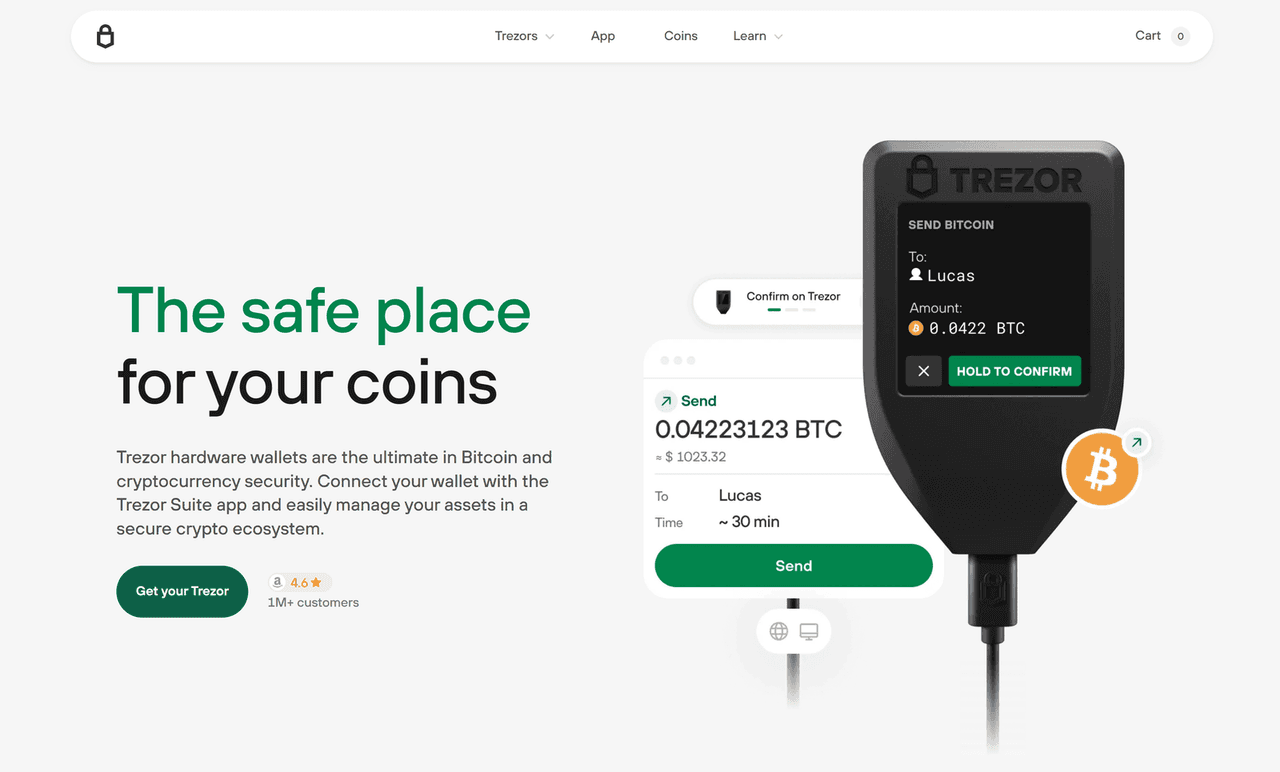
Trezor Bridge – Secure Connection for Hardware Wallets
What Is Trezor Bridge?
Trezor Bridge is the official communication tool that enables your Trezor hardware wallet to connect securely with your computer and browser. It acts as a trusted link between your Trezor device and applications like Trezor Suite, ensuring that transactions, account data, and device updates are transferred safely without exposing private keys. With Trezor Bridge, users can manage cryptocurrencies, update firmware, and authorize transactions through a secure, encrypted communication channel.
Why Trezor Bridge Is Important
Unlike regular browser plugins, Trezor Bridge runs in the background as a lightweight service. It enhances:
Device recognition on Windows, macOS, and Linux
Secure data communication between device and app
Firmware update reliability
Compatibility with supported wallets and services
This makes wallet management seamless while maintaining the highest level of hardware-based security.
How to Install Trezor Bridge
1. Visit the Official Trezor Website
Always download software only from official Trezor sources to avoid phishing and malware risks.
2. Download Trezor Bridge
Select your operating system and download the latest version of Trezor Bridge.
3. Install and Run
Follow on-screen installation instructions. After installation, the service runs automatically in the background.
4. Connect Your Trezor Device
Plug in your Trezor hardware wallet using the USB cable and open Trezor Suite. Your device should now be recognized instantly.
Key Features of Trezor Bridge
Secure device-to-browser communication
Automatic background operation
Support for both Trezor Model One and Trezor Model T
Encrypted data transfer
Compatibility with major browsers and operating systems
Required for Trezor Suite web version
Trezor Bridge ensures your private keys never leave the hardware wallet during operation.
Security Benefits
Trezor Bridge is built with security at the core:
Prevents exposure of recovery seeds
Protects against unauthorized device access
Confirms transactions directly on the device screen
Uses secure protocols during communication
Even if your computer is compromised, the hardware wallet keeps private keys isolated and offline.
Common Use Cases
With Trezor Bridge installed, users can:
Access Trezor Suite desktop or web
Verify and sign transactions securely
Manage multiple cryptocurrency accounts
Update wallet firmware
Restore or initialize wallets
It is essential for anyone using Trezor alongside a browser-based interface.
Troubleshooting Trezor Bridge Issues
Device Not Detected
Reconnect USB cable
Try another port or cable
Restart your browser or PC
Reinstall Trezor Bridge
Bridge Not Running
Check system tray or background services
Restart the Trezor Bridge application
Browser Cannot Communicate with Device
Allow permissions in browser
Disable conflicting extensions
Ensure only one Trezor-related app/session is open
Firmware Update Failing
Restart the device
Use a different cable or PC port
Update Trezor Suite to latest version
Best Security Practices
Download only from official Trezor sources
Never type your recovery seed into a computer or website
Avoid public computers when managing crypto
Keep firmware up to date
Use strong PIN and passphrase features
Conclusion
Trezor Bridge is a vital tool that enables secure communication between your Trezor hardware wallet and your computer. By providing encrypted, reliable connectivity, it ensures that you manage and transact cryptocurrencies safely while maintaining full offline control of your private keys. For smooth device recognition and maximum security, installing Trezor Bridge is an essential step for every Trezor user